
Tourism Development Plan 2026–2036
Another Way to Live in the World
In today’s world, tourism is being scrutinized more closely: its impact on natural environments, the sometimes difficult coexistence with local communities, the economic dependence it can create, and the pressure it places on the real estate market. Yet this reality is often more nuanced than it seems, particularly in a department like ours, where tourism employs one in three workers and accounts for 26% of GDP.
On June 23, 2026, the Hautes-Alpes Departmental Council adopted a new Departmental Tourism Development Plan. This guiding document sets the course for the next ten years (2026–2036).
This initiative has generated strong engagement from stakeholders in the tourism sector: 10,000 professionals and the 70 leaders of industry networks were consulted and participated in its development. The goal is to build on the current collective momentum (50.3% growth in the department’s GDP between 2015 and 2025), while taking into account the major drivers of change—climate change and the necessary ecological transition, societal changes and shifts in consumption patterns, and finally the 2030 Alps Winter Olympic and Paralympic Games, which will take place in less than four years, partly in the Hautes-Alpes.
The chart
2026–2036
The Booklet
“Our goal: to ensure the growth of high-alpine tourism while protecting our exceptional natural environment and our guests—in both senses of the word: those who are welcomed, as well as those who welcome them.”
4 Guiding Principles
- Maintain a balance between preserving and promoting this exceptional natural environment;
- Ensure collective momentum and the support of local communities;
- Ensure the long-term sustainability of the destination’s assets and strengthen them;
- Create shared value for the entire Hautes-Alpes region.
7 priority areas of action
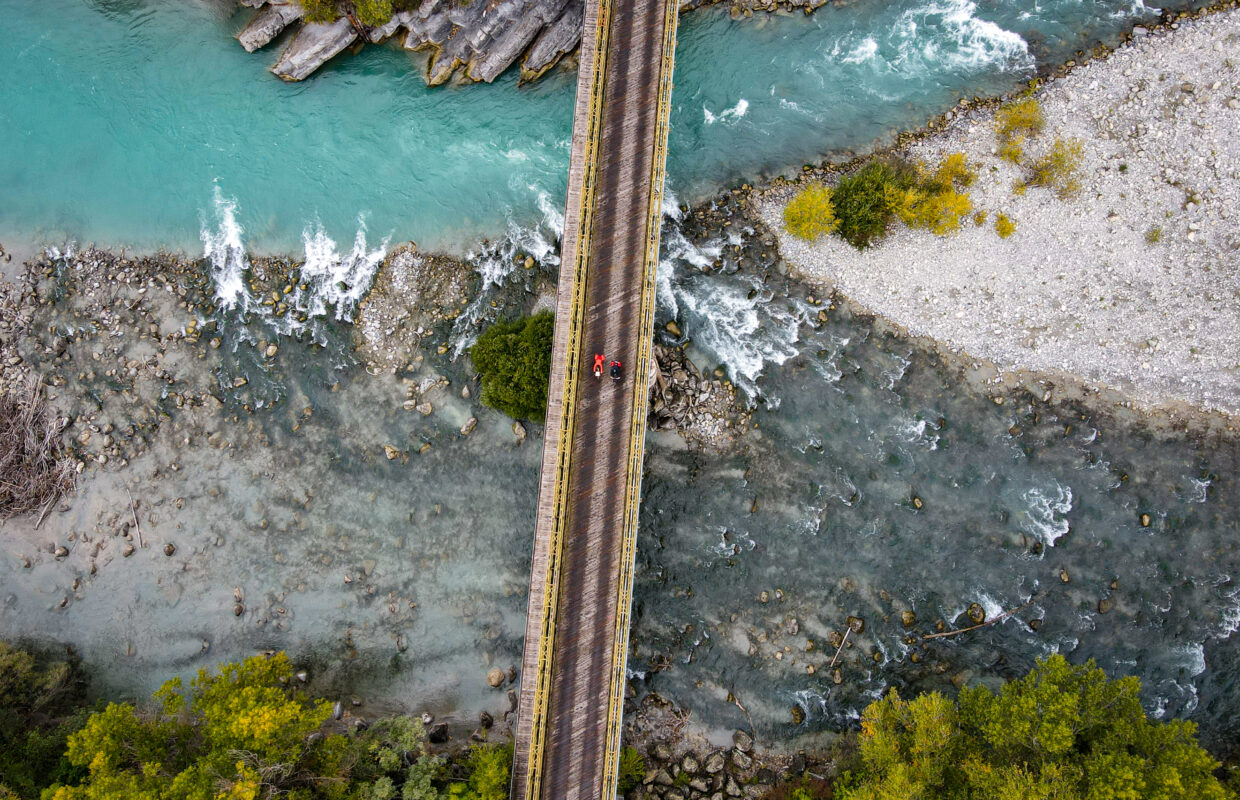
Access and Mobility
Improving access to the Hautes-Alpes, decarbonizing transportation, and promoting intermodal travel—for both tourism and daily commutes.
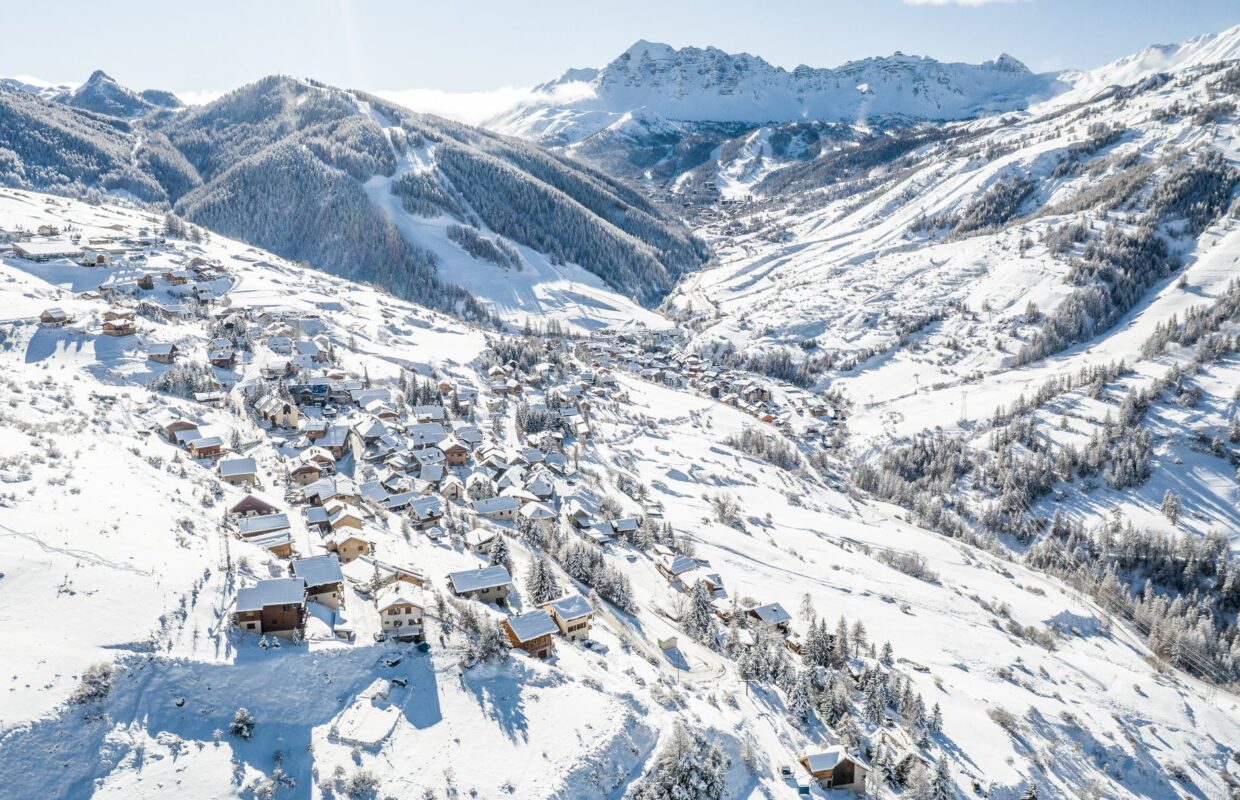
Housing and Buildings
Support efforts to improve the supply of tourist accommodations, while implementing a policy that promotes residential housing.
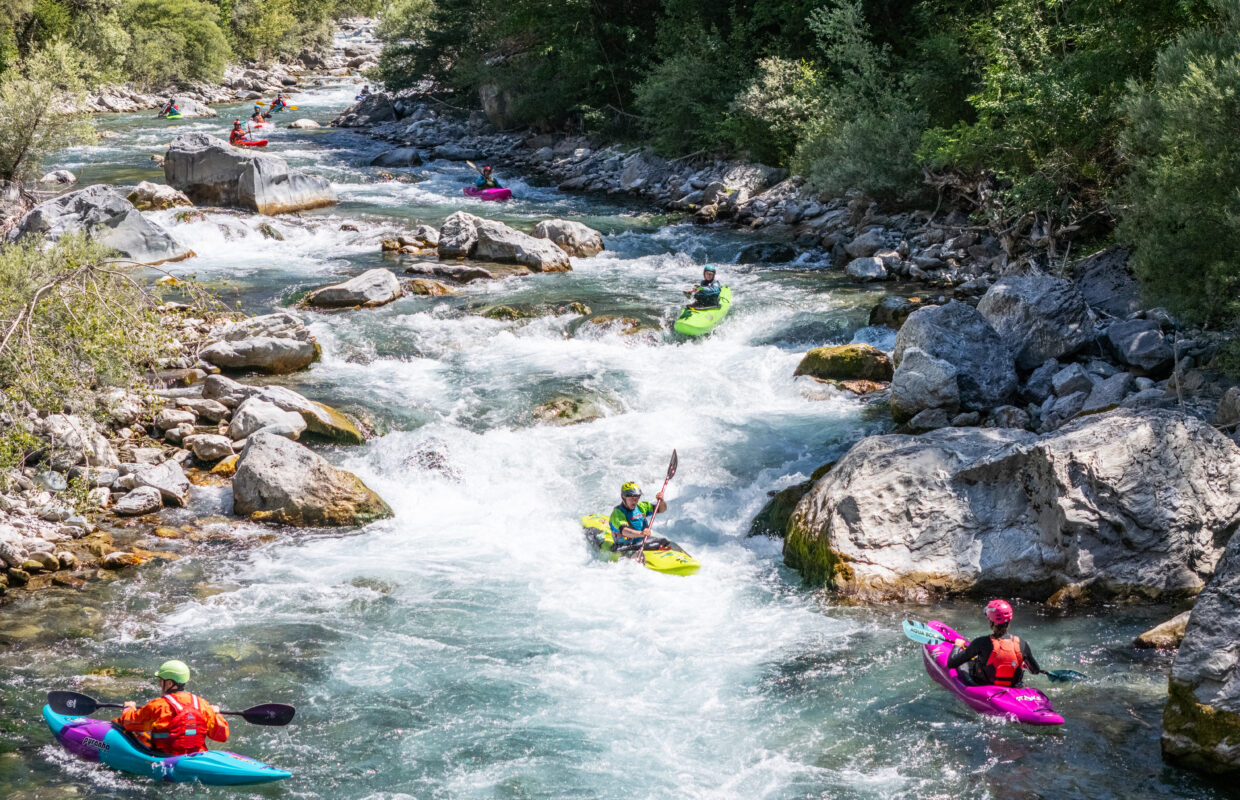
Major Sites and Facilities
Continue to develop and adapt recreational sites and facilities to climate change and shifts in usage patterns.
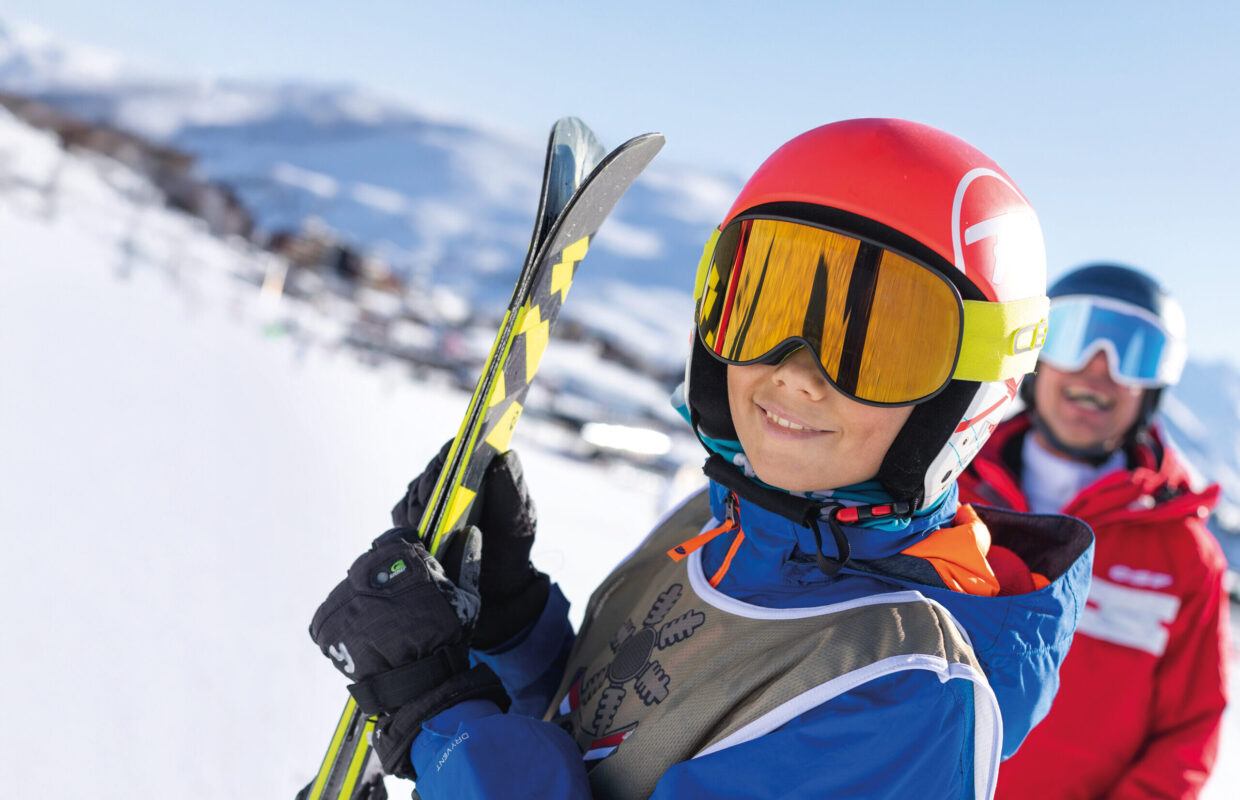
Sports, Culture, and Local Heritage
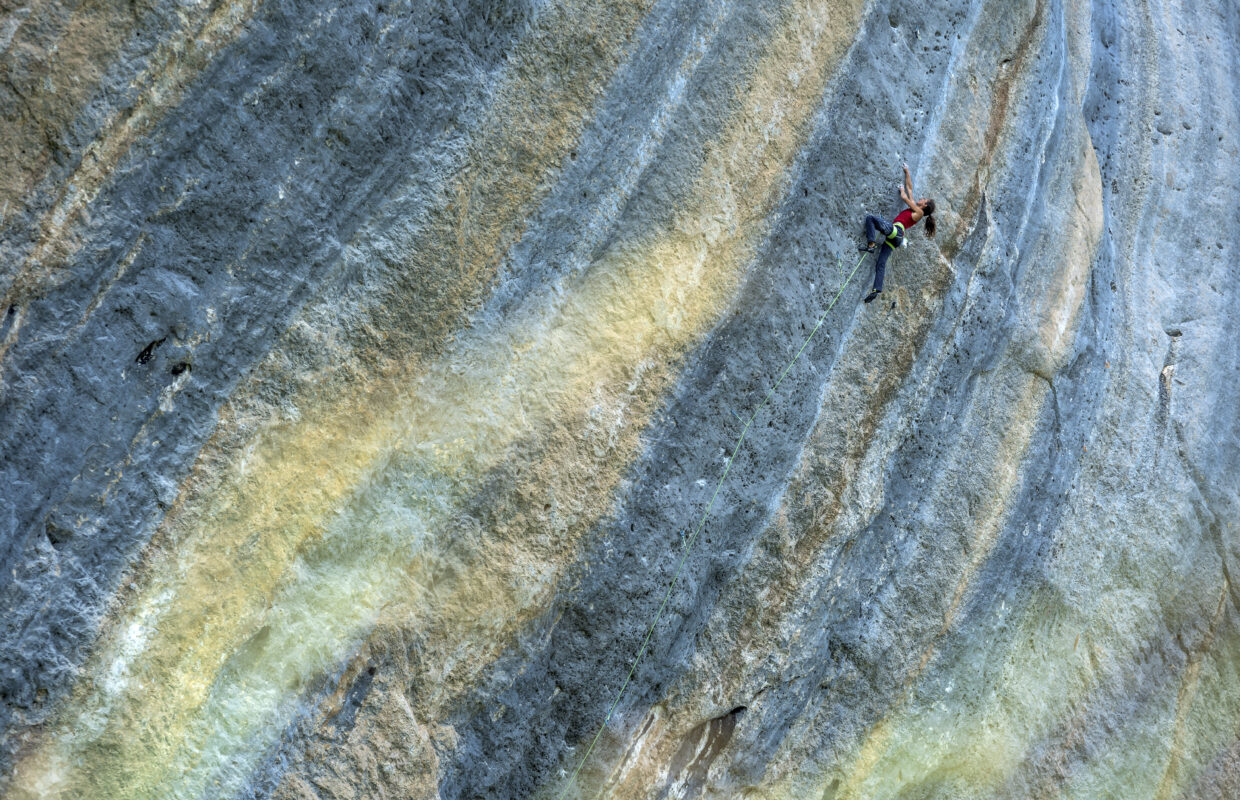
Develop departmental policies that promote sports, culture, and agriculture as drivers of tourism development.
2030 Olympic Games and Major Events
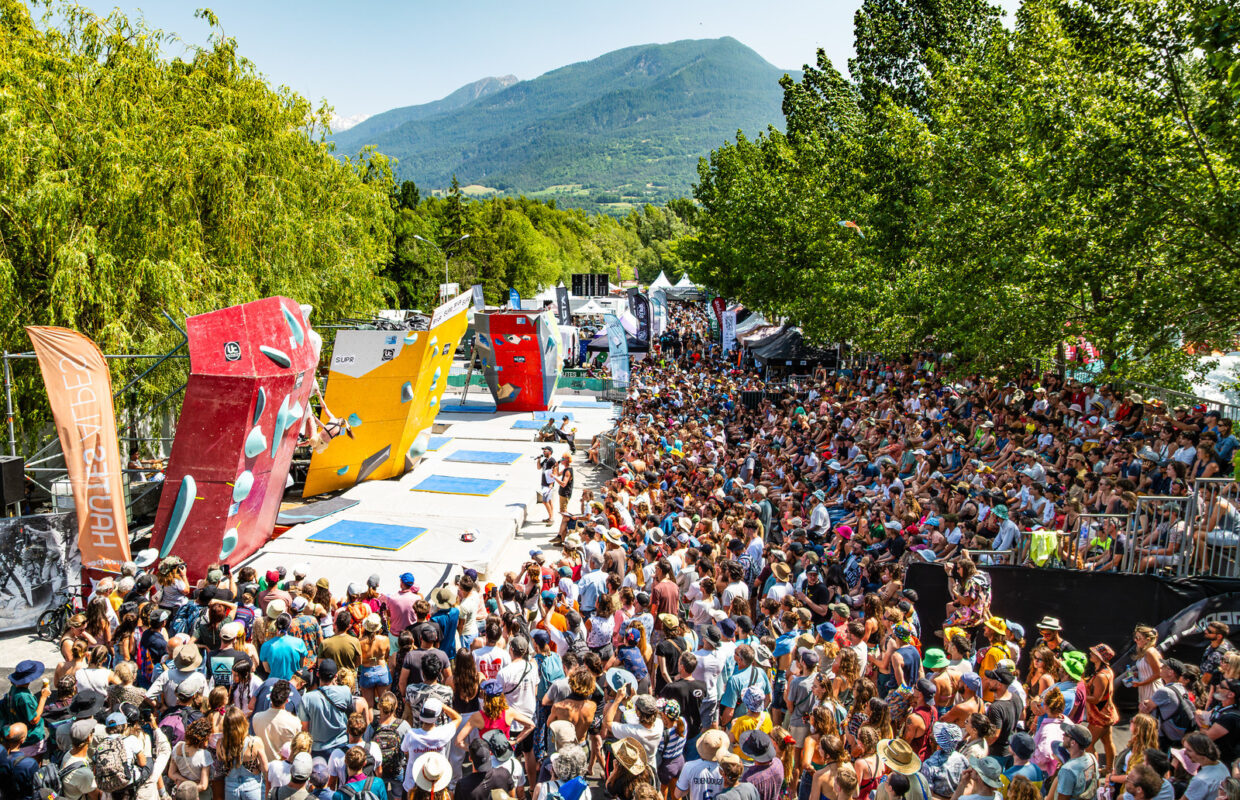
Make the Games a success and leverage major events to develop and promote the industries that define the destination’s identity and appeal.
Marketing
To showcase the Hautes-Alpes and the Southern Alps by promoting the diversity of the region, its attractions, and its seasons, while continuing to improve quality.
Governance
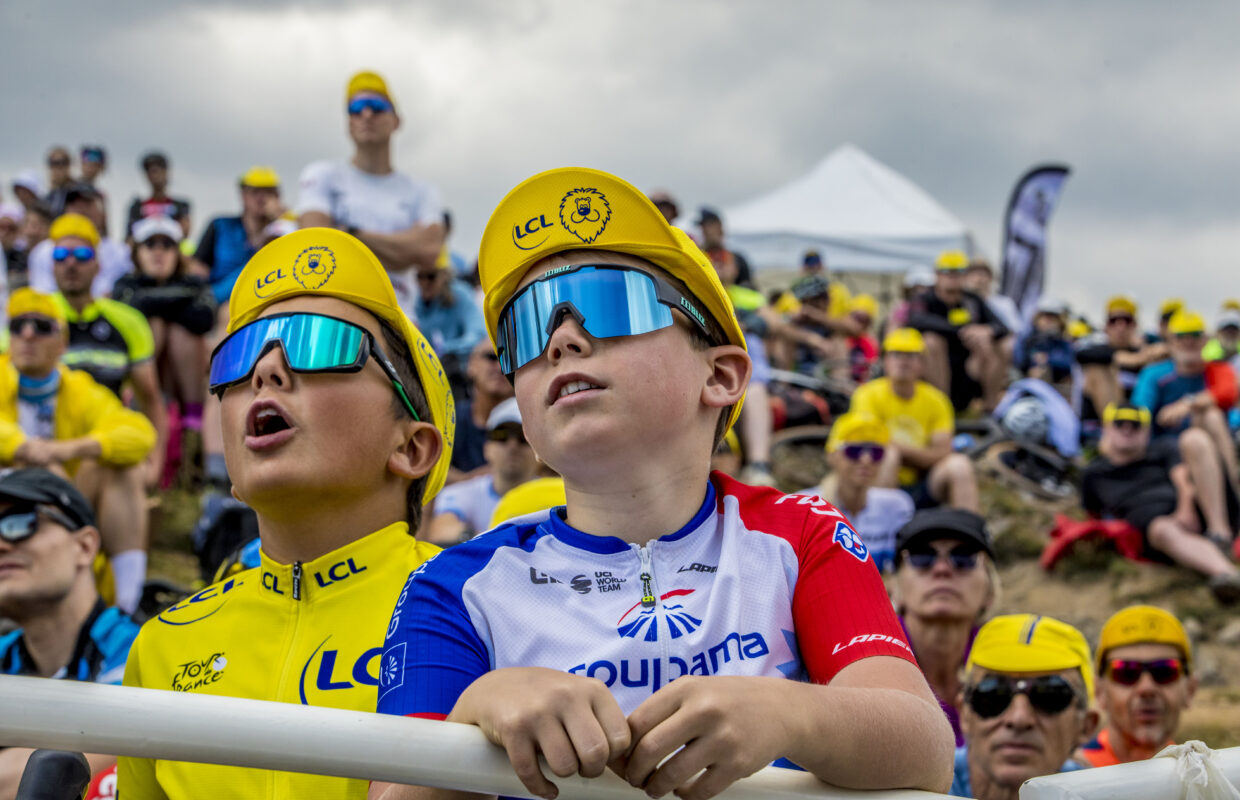
Foster a sense of community and engage local residents.
Thanks to the catalytic effect of the Alpes 2030 Winter Olympic and Paralympic Games, the Hautes-Alpes department is receiving unprecedented financial resources: a budget of 1.665 billion euros will be allocated between 2026 and 2036 to the various public policies encompassed by this departmental tourism development plan.
A setof growth objectives (a 10% increase in value creation over 10 years through better distribution of visitor numbers), sustainability (60% of offerings available for at least seven months of the year), and acceptance (80% of Hautes-Alpes residents believing that tourism has a positive impact on the region) has also been set by the local government.
The Hautes-Alpes have everything it takes to rise to this challenge. Everything needed to promote a form of tourism with a strong human dimension—a form of tourism that preserves before it consumes, that connects valleys rather than pitting them against one another, that creates value for the regions and for those who live there, and that brings people together. A form of tourism that is beneficial and deeply rooted in the Hautes-Alpes.