
Route Napoléon
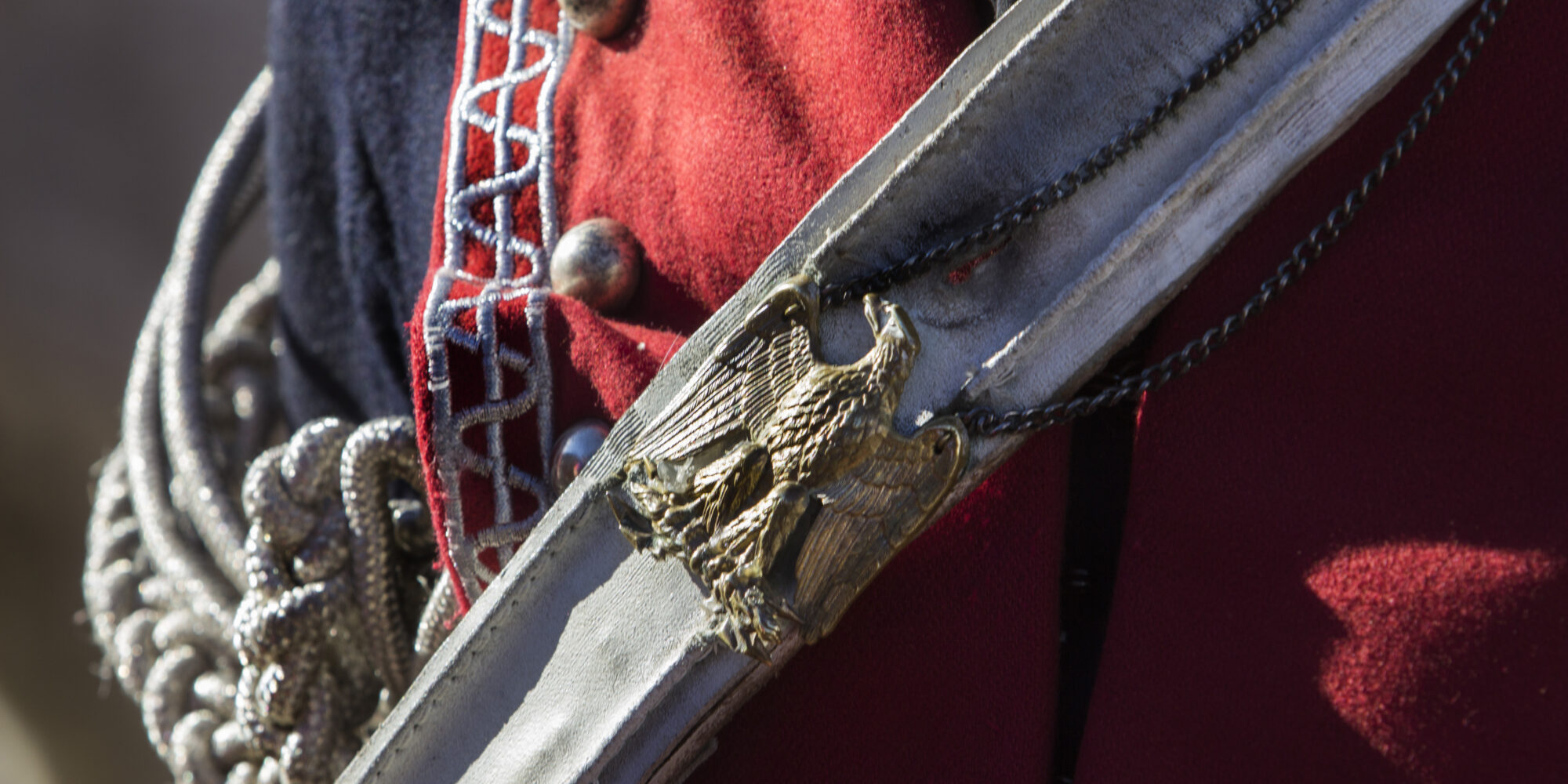
Your itineraryInthe footsteps ofthe emperor
Between the Mediterranean and the Alps, the Route Napoléon traces a thread of history and grandiose landscapes. In the Hautes-Alpes, it takes on a special dimension: that of a crossing that is both heroic and contemplative, where each pass and valley tells as much of the imperial gesture as of the wild beauty of the mountains. The 314-kilometer itinerary has become a tale of bravery and daring.
Day 1
Golfe-Juan → Sisteron
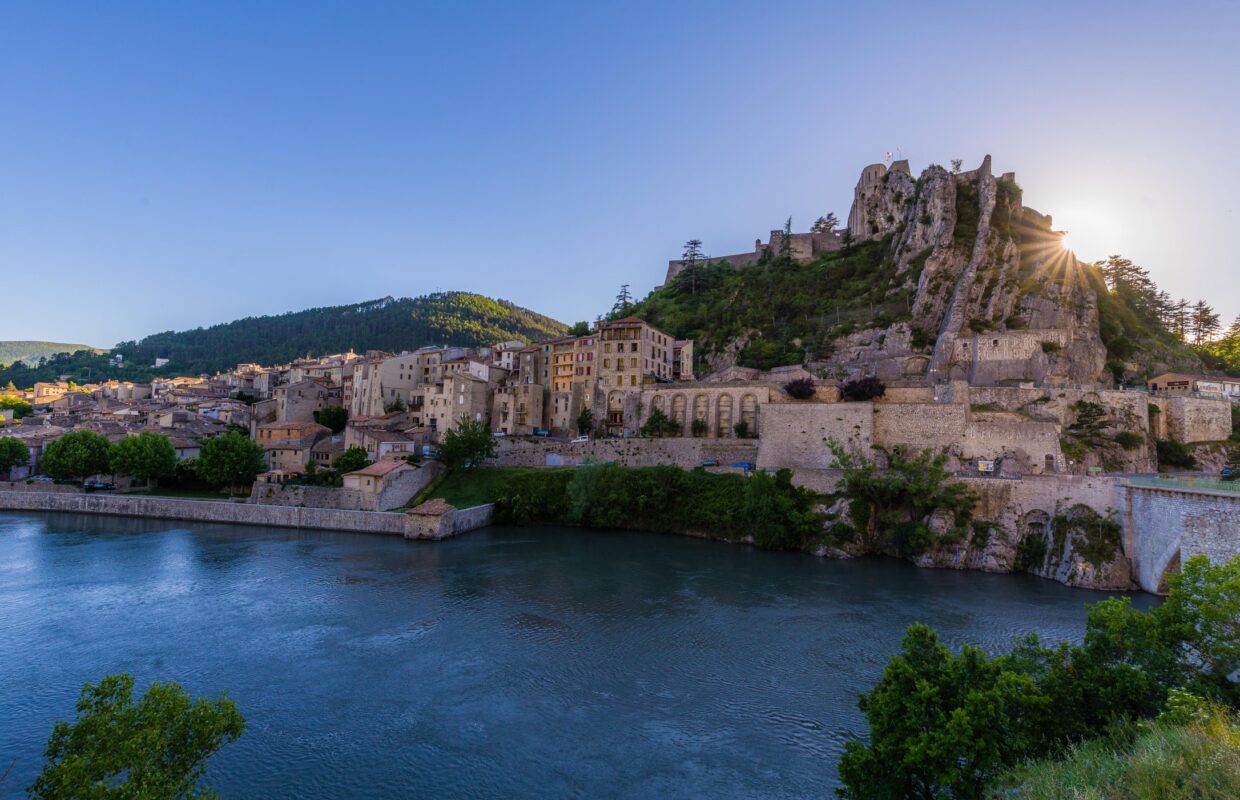
March 1815: the Emperor lands in Golfe-Juan, determined to regain the throne. From the small Mediterranean port, the road winds inland. Leaving the azure glow of the sea behind, it takes in the foothills of the Alps. It soon leads to Sisteron, the “gateway to Provence”, dominated by its majestic citadel guarding the narrow Durance gorge. In this spectacular mineral setting, the memory of the imperial epic is anchored in the rock.
Day 2
Along the Durance
Next up is the Durance valley, a vast natural corridor lined with limestone cliffs and orchards. The villages of the Buëch follow one another, clinging to their promontories, with their medieval lanes and soaring bell towers. Here, the light plays with the lavender fields and orchards, sometimes green in spring, sometimes golden in summer. It’s an itinerary where geography marries memory, with each village seemingly waiting for the Emperor to pass through.
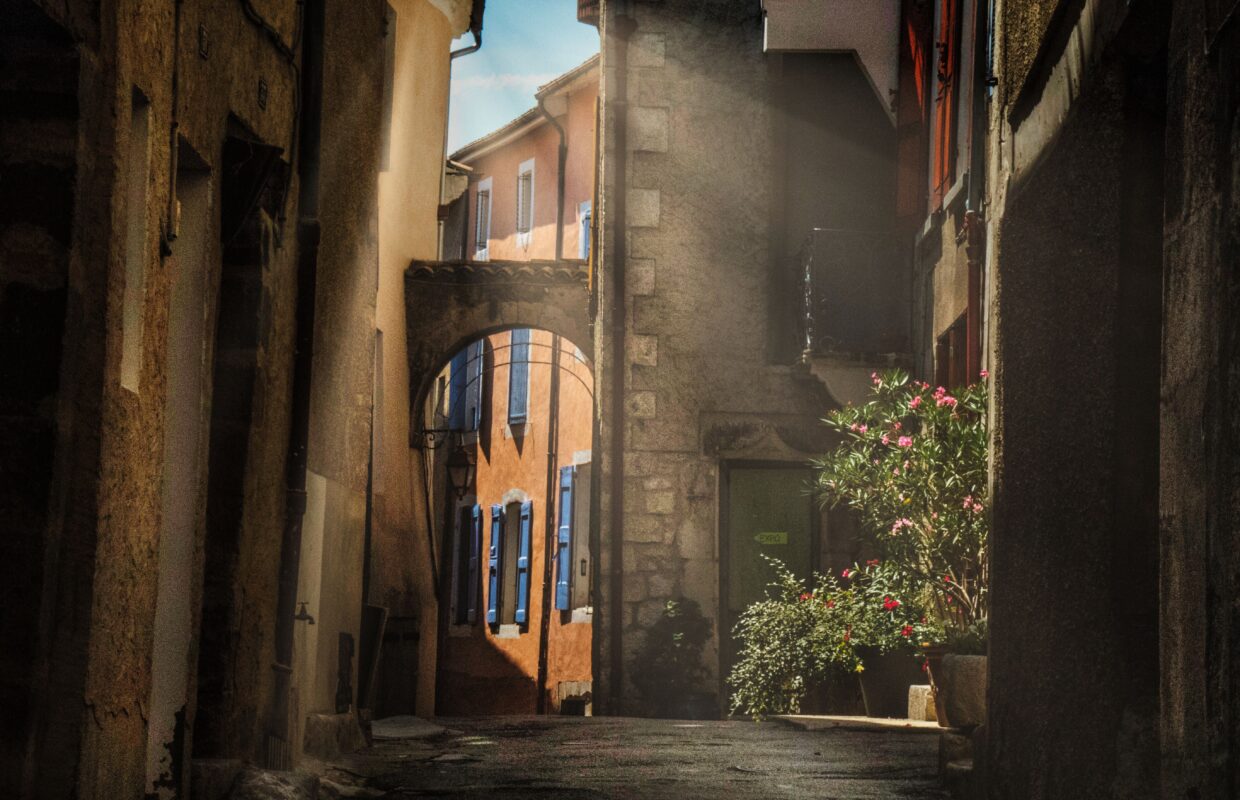
Ruelle de Serres labellisée Petite Cité de Caractère sous un rayon de soleil (Serres alleyway, classified as a “Petite Cité de Caractère”)
Day 3
Stopover in Gap
The stopover in Gapthe gentle capital of the Hautes-Alpes, is a good place to stop. Today’s traveler will discover a lively city, with lively terraces and cobblestone streets that open onto the surrounding peaks. The mountains encircle the city like a natural amphitheater, offering a grandiose spectacle in every season: snow-covered peaks in winter, flowering meadows in summer. It’s easy to see why Napoleon found it a strategic and welcoming stopover.
Day 4
Bayard → Laffrey
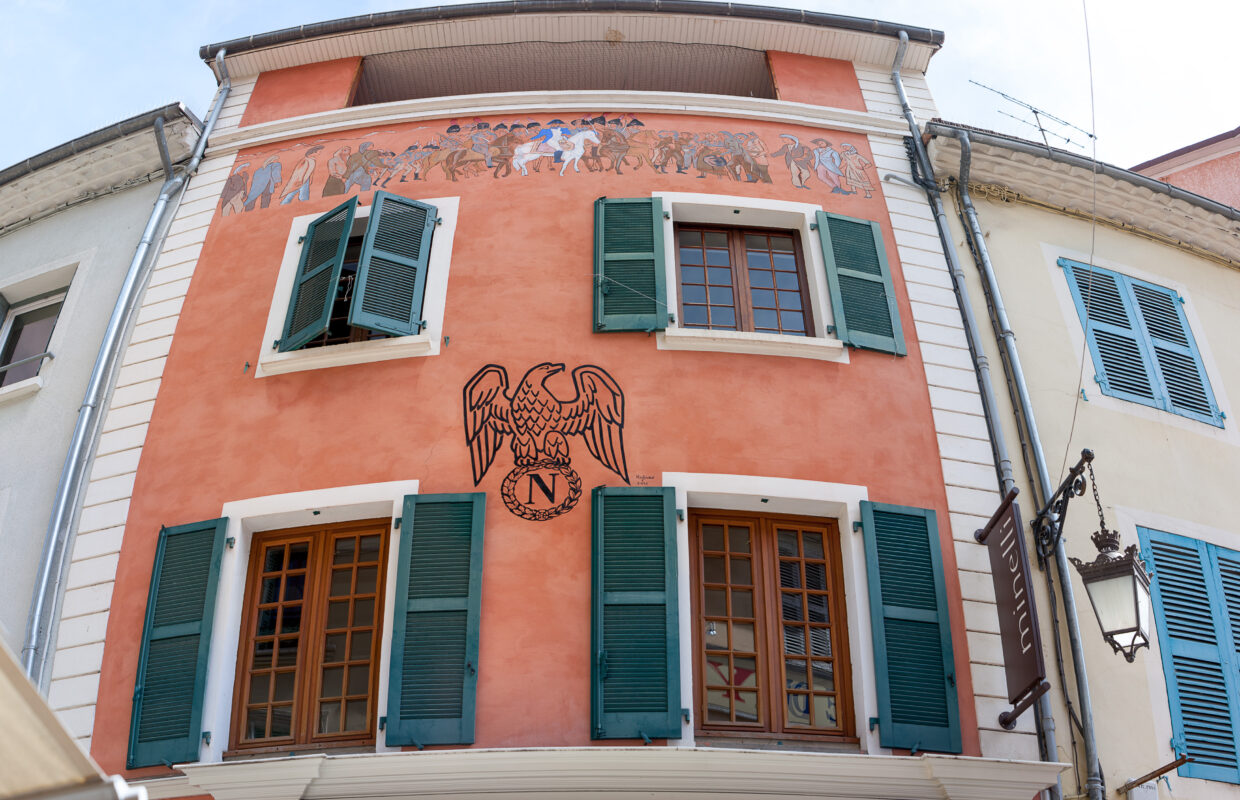
After Gap, the route climbs to the Col Bayard (1,246 m) and then descends to Champsaur, where the road crosses passes such as the Noyer and Manse, dotted with Napoleonrefuges designed in the XIXᵉ century. The route can be extended towards the Dauphiné to Grenoble, via Laffrey. This is where one of the most famous episodes takes place: the Emperor’s meeting with the royal troops. Today, the scenery speaks for itself: a peaceful lake, surrounded by steep ridges, where the echoes of history still linger.
“Of all my campaigns, none offered such majestic bivouacs as the mountains of the Hautes-Alpes. If the Empire were to be reborn, I would gladly build it here, between passes and valleys.”

Practical notebook
- The Route Napoléon on horseback
- ANERN: preserving the memory of the Route Napoléon


